When to Call Fort Worth Mold Specialists for Hidden Water Damage
Mold Doesn't Announce Itself
Most homeowners in Fort Worth first notice mold as a smell. That musty, damp odor that creeps into a room after a heavy rain usually means something is going on behind the walls or under the floor. By the time you can see black mold on a baseboard or inside a closet, the colony has been growing for days or weeks. The question is whether you can handle it yourself or whether you need to bring in Fort Worth mold specialists to assess the full scope of the problem.
I have spent years working in moisture control and remediation across North Texas, and I can tell you that the worst cases always start small. A slow leak under the kitchen sink, a sump pump that fails during a spring storm, or a humid crawlspace that never quite dries out. These conditions create a perfect environment for mold spores to settle and spread. The hard part is knowing when the situation has moved beyond a simple cleaning job.
Why It Matters for Your Health and Your House
Mold is not just a cosmetic nuisance. Certain types of mold, particularly black mold (Stachybotrys chartarum), produce mycotoxins that can irritate your respiratory system, trigger allergic reactions, and worsen asthma. The EPA recommends prompt remediation of any mold problem that covers more than about ten square feet. That is roughly the size of a bath towel. Anything larger or hidden behind walls demands professional help.
Indoor air quality takes a direct hit when mold takes hold. Mold spores float through the air and settle into your HVAC system, which then circulates them through every room. Over time, this can turn a localized leak into a whole-house problem. Homeowners often mistake the resulting symptoms for seasonal allergies or a cold, but the real culprit is the fungus growing inside their walls or attic.
Signs You Should Call a Professional
I tell clients to watch for a few specific indicators that suggest a deeper issue. If any of these sound familiar, it is time to reach out to Fort Worth mold specialists for an inspection.
- Persistent musty odor that returns even after cleaning with bleach. Bleach can kill surface mold but does not penetrate porous materials like drywall or wood.
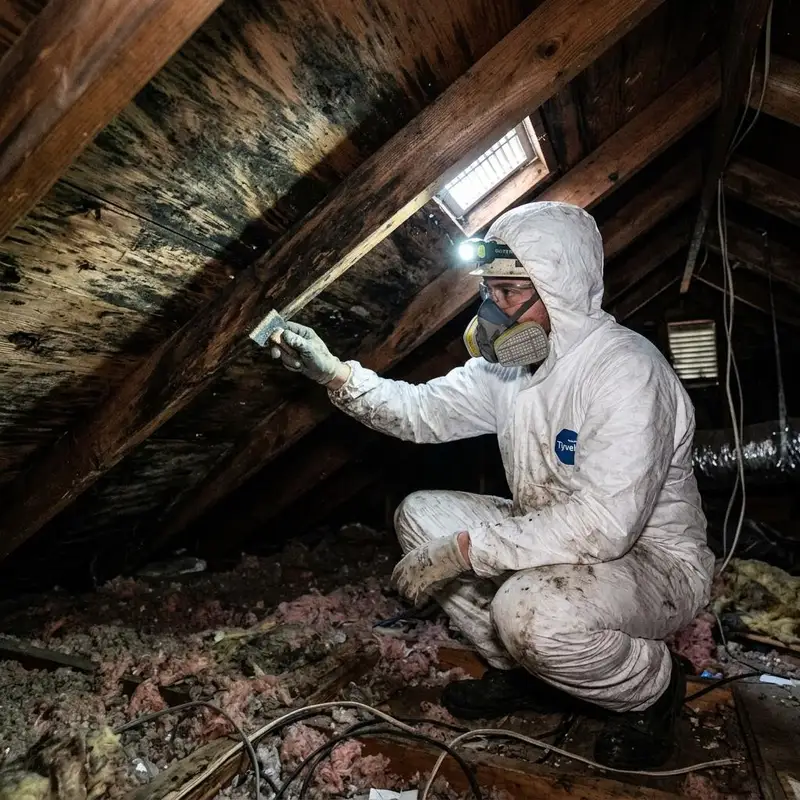
- Visible water stains on ceilings, walls, or floors that keep growing after rain. That usually points to a roof leak, a plumbing issue, or poor ventilation in the attic.
- High humidity readings inside the home, especially in basements or crawlspaces. Humidity above 60 percent encourages mold growth on almost any surface.
- Recent water damage from a flood, a burst pipe, or a failed sump pump. Standing water can seep into subflooring and wall cavities, creating hidden mold colonies.
- Unexplained health symptoms among family members, such as headaches, coughing, or eye irritation, that improve when you leave the house.
These signs do not always mean you have a major mold infestation, but they do mean you should not ignore the situation. A professional inspection can confirm whether you are dealing with mildew that wipes off easily or a deeper issue that requires full remediation.
What Professional Remediation Looks Like
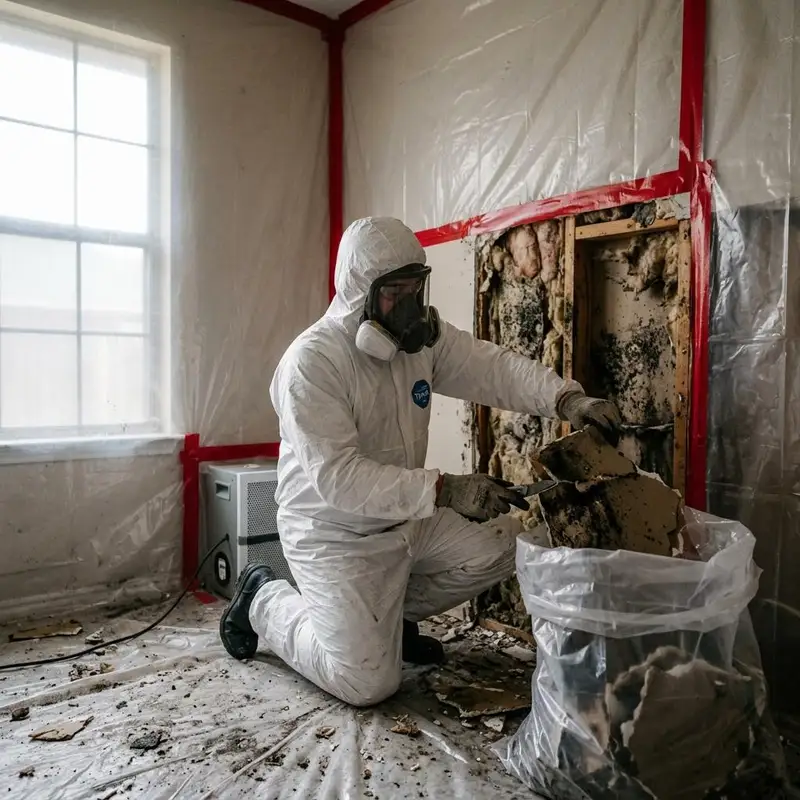
When a mold removal team arrives at a home, the first step is containment. We set up barriers and negative air pressure to keep mold spores from drifting into unaffected rooms. Then we identify the moisture source. Without fixing the leak, the humidity, or the drainage problem, any cleaning is temporary. That is why moisture control is the foundation of every good remediation plan.
Leak detection is a big part of the process. Sometimes the leak is obvious, like a dripping pipe under the sink. Other times it is hidden. A hairline crack in the foundation or a slow drip inside an HVAC duct can feed a mold colony for months without anyone noticing. Thermal imaging and moisture meters help us find these hidden sources without tearing open walls unnecessarily.
Once we stop the water intrusion, we remove and replace affected materials. Drywall, insulation, carpet, and wood framing that are too damaged to clean get cut out and discarded. We clean the remaining surfaces with antimicrobial solutions. Bleach is rarely the right choice for large areas because its fumes are harsh and it does not kill mold on porous surfaces. Instead, professionals use EPA-registered fungicides that penetrate deeper and leave a protective barrier.
Dealing with Insurance Claims
One question I hear a lot is whether homeowners insurance covers mold. The answer depends on the cause. Most policies cover mold remediation that results from a "covered peril," such as a burst pipe or storm damage. But if the mold was caused by long-term neglect, like a slow leak you never fixed or chronic humidity in an unattended crawlspace, the insurance claim may be denied.
That is why documentation matters. If you suspect a mold problem, take photos, keep receipts for any temporary repairs, and do not throw away damaged materials until the adjuster has seen them. A professional inspection report from a reputable mold specialist can also strengthen your claim. The report should detail the extent of the contamination, the moisture source, and the recommended remediation steps.
Preventative Maintenance After Remediation
Once the mold is gone and the moisture source is fixed, the goal is to keep it from coming back. Preventative maintenance is not glamorous, but it saves thousands of dollars in repeat repairs. Here are a few things I recommend to every homeowner in Fort Worth.
- Install a dehumidifier in basements and crawlspaces, and set it to maintain humidity below 50 percent.
- Check your sump pump every spring. Clean the intake screen and test it by pouring a bucket of water into the pit.
- Inspect your attic after heavy rain. Look for wet insulation, stained rafters, or daylight coming through the roof deck.
- Clean your HVAC drip pans and change the air filter on a regular schedule. Trapped moisture in the system can breed mold and spread allergens.
- Seal any gaps around windows, doors, and foundation vents where rainwater can enter.
These steps cost very little compared to a full remediation job. They also improve your indoor air quality and reduce the amount of allergens floating through your home.
When to Act Fast
Mold does not wait. Once spores land on a damp surface, they can begin growing within 24 to 48 hours. That means the window for quick action is narrow. If you find a wet spot on the wall from a leaky pipe, you have about two days to dry it out completely before mold becomes visible. After that, the colony starts spreading deeper into the material.
If you have small patches of mildew in the bathroom or around a window, a scrub with a mild detergent and good ventilation is usually enough. But if the area is larger than a few square feet, or if it keeps coming back, do not hesitate to call a professional. The cost of an inspection is small compared to the expense of replacing structural framing or treating a chronic respiratory condition.
Working with Fort Worth Mold Specialists
Good mold specialists do more than just clean up visible growth. They identify the underlying moisture problem, recommend permanent fixes, and help you understand how to prevent recurrence. They also know the local climate. Fort Worth summers are hot and humid, and our winters can bring freeze-thaw cycles that crack pipes and foundations. A specialist who works in this area every day has seen the same patterns in dozens of homes and knows exactly where to look.
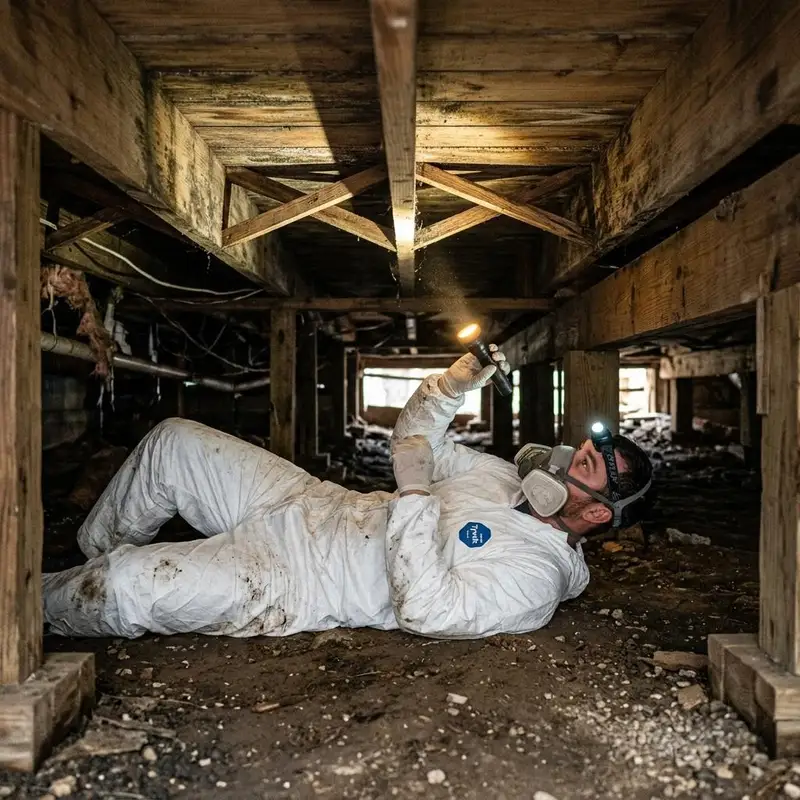
When you hire a professional, you are paying for their experience, their equipment, and their ability to handle the job safely. Mold remediation involves containing spores, handling contaminated materials, and sometimes working in tight spaces like attics and crawlspaces. It is not a job for a weekend warrior with a spray bottle. The peace of mind that comes from knowing the problem is truly solved is worth the investment.
If you suspect mold in your home, do not wait. The longer you delay, the more the colony spreads and the harder the cleanup becomes. Reach out to a local expert who understands the specific challenges of our area. A thorough inspection and prompt remediation will protect your home, your health, and your wallet in the long run.